Childhood trauma can follow a person long after childhood ends. It can shape relationships, self-worth, addiction, faith, and the way a person learns to survive pain. In Silent Screams from the Hamptons, Christa Jan Ryan shares a deeply personal memoir about childhood trauma, silence, survival, addiction, emotional wounds, and healing.
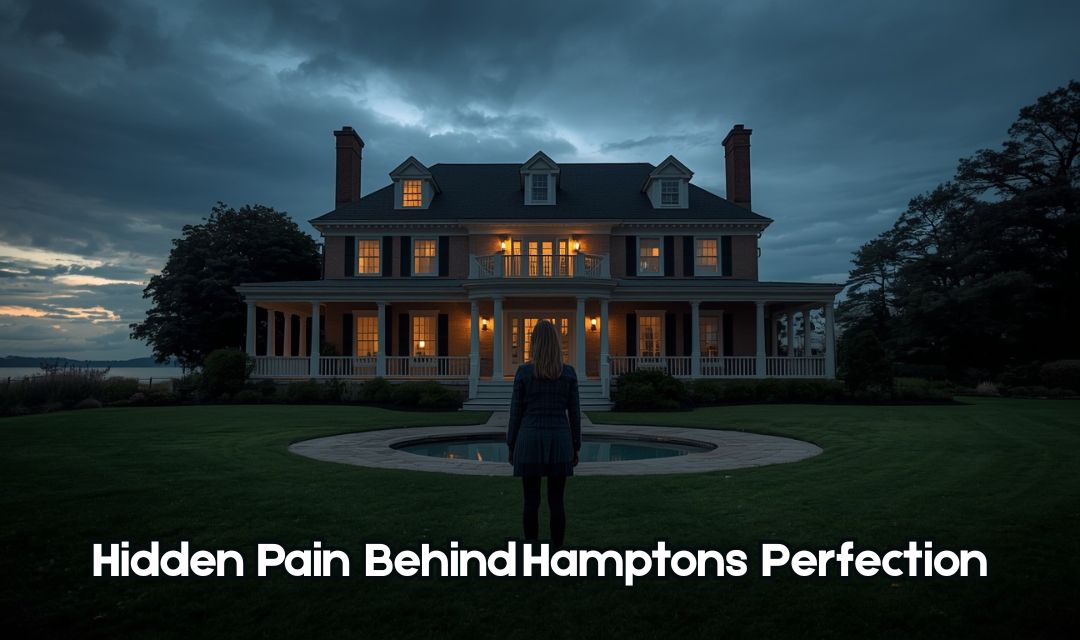
The title carries a powerful contrast. The Hamptons often represent beauty, wealth, success, and polished living. But beneath that outward image, Christa reveals a private world of pain, family dysfunction, domestic instability, and emotional survival. For readers searching for books on overcoming childhood trauma, this self-help memoir offers honesty, hope, and a reminder that healing childhood trauma begins with facing the truth.
Why Books on Overcoming Childhood Trauma Matter
Books on overcoming childhood trauma matter because they help readers feel seen. Many survivors grow up believing their pain is normal, their silence is necessary, or their family patterns cannot be changed.
A memoir like Silent Screams from the Hamptons helps readers recognize how childhood wounds can affect adulthood. It shows how trauma can influence relationships, addiction, self-worth, and emotional choices. Most importantly, it reminds readers that healing is possible, even after years of silence.
What Is Childhood Trauma?
Childhood trauma is emotional, physical, or psychological pain experienced during childhood that overwhelms a child’s ability to cope. It may come from abuse, neglect, addiction in the home, domestic violence, emotional silence, instability, or unsafe family environments.
In Christa’s story, childhood trauma is connected to family chaos, addiction, fear, denial, and the pressure to stay quiet. The memoir shows how children often absorb the pain around them, even when adults pretend everything is fine.
How Silent Screams from the Hamptons Explores Childhood Trauma
Silent Screams from the Hamptons explores childhood trauma through a true personal story of family dysfunction, addiction, fear, and survival. Christa does not present trauma as one isolated event. Instead, she shows how pain builds over time and becomes part of a person’s inner life.
The memoir also makes an important distinction: surviving is not the same as healing. A person can work hard, succeed, and appear strong while still carrying unresolved wounds. Christa’s story gives voice to that hidden pain.
The Hamptons Contrast: Beauty Outside, Pain Beneath
One of the strongest parts of the memoir is the contrast between the beauty of the Hamptons and the pain beneath the surface. The landscapes, gardens, wealth, and success create an illusion of perfection. But inside, Christa is still carrying the emotional weight of her past.
This contrast makes the book relatable for many survivors. Trauma is not always visible. It can hide behind achievement, appearance, humor, ambition, independence, or a life that looks beautiful from the outside.
Overcoming Childhood Trauma Is Not Forgetting the Past
Overcoming childhood trauma does not mean erasing what happened. It means understanding how the past shaped you and choosing not to let it control your future.
Healing begins when a person can look honestly at the patterns they inherited. Silence, fear, anger, addiction, or emotional distance may once have been survival tools. But true healing comes when those patterns are finally challenged.
Addiction, Domestic Violence, and Family Patterns
The memoir also explores how addiction, domestic violence, silence, and generational pain can shape a family. These patterns often repeat when they are not addressed.
Christa’s story shows the emotional cost of growing up around instability and conflict. It also points toward the possibility of breaking destructive cycles through honesty, recovery, faith, and self-awareness.
Childhood Trauma Therapy and the Healing Journey
Books can help readers understand their pain, but deeper healing may also require support. Childhood trauma therapy, recovery groups, faith communities, trusted mentors, and supportive relationships can help survivors process what they have lived through.
A memoir cannot replace professional help, but it can help someone take the first step. It can give language to pain that has been buried for years and help readers realize they do not have to heal alone.
Faith, Recovery, and Finding a Voice
Faith and recovery are important themes in Silent Screams from the Hamptons. Christa’s journey includes questioning, pain, spiritual struggle, and restoration.
The book is also about finding a voice after years of silence. Speaking the truth becomes part of healing. By telling her story, Christa turns private pain into courage, purpose, and hope.
Why This Memoir Belongs Among Books on Healing Childhood Trauma
Silent Screams from the Hamptons belongs among books on healing childhood trauma because it is honest, personal, and emotionally real. It does not pretend healing is simple. Instead, it shows the hard process of facing family wounds, addiction, trauma, and generational patterns.
Readers will find a story of survival, recovery, faith, and the courage to break cycles that once felt impossible to escape.
Who Should Read This Book?
This book is ideal for readers who are healing from childhood trauma, family addiction, domestic instability, unresolved pain, or years of silence.
It is also meaningful for anyone looking for a faith-centered memoir about resilience, recovery, and breaking generational cycles.
Final Thoughts
Childhood trauma may shape a life, but it does not have to define the ending. Silent Screams from the Hamptons is a powerful memoir about pain, survival, addiction, faith, recovery, and finding the courage to speak.
For readers searching for books on overcoming childhood trauma, Christa Jan Ryan’s story offers a clear message: healing begins when silence ends.